Speed and Precision in Modern Microduct Extrusion Lines
02 Şubat
02 Şubat 2026


A technical and strategic guide for manufacturers and investors seeking stable, high-precision production of microduct pipes for fiber network applications.
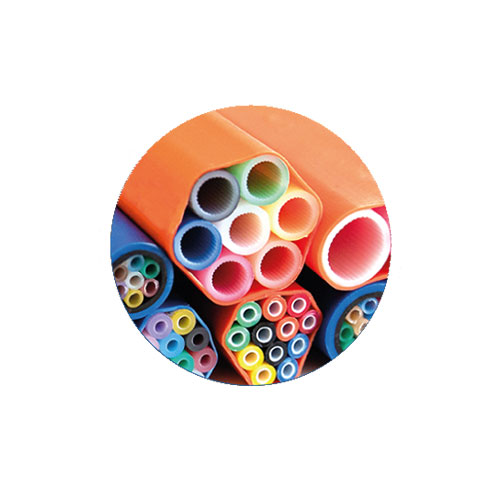
Microduct pipes are the foundation of modern fiber optic infrastructure. Their internal geometry — especially inner diameter, ovality and wall thickness — directly determines how efficiently fiber cables can be blown through long distances. Even slight deviations can increase friction, cause cable blockages, reduce blowing distance and lead to installation failures.
For manufacturers, achieving consistent diameter and wall thickness is not just a matter of product quality; it is an essential requirement for telecom contractors, network providers and global FTTH (Fiber-to-the-Home) projects. In competitive markets, the producers who can guarantee precision and stability gain access to higher-value contracts and long-term partnerships.
In microduct systems, consistency is everything. Fiber blowing performance depends on how easily the cable glides inside the duct. Slight deviations can significantly increase friction and reduce installation success.
The most important geometric requirements include:
Telecom contractors expect predictable, reliable microduct behavior. Pipes with unstable diameter or fluctuating wall thickness cause costly delays — a risk no major network developer will tolerate.
Microduct manufacturing presents several challenges that can cause dimensional instability. Below are the most common issues encountered by low-precision production lines:
Each of these problems causes real-world installation failures:
For manufacturers, preventing these issues at the production stage is far more cost-effective than dealing with field complaints and returned products.
Achieving consistent diameter and wall thickness requires precise control of several extrusion parameters. The most influential steps include:
A stable melt flow is essential for uniform wall formation. Masfen’s screw designs ensure efficient mixing with minimal temperature fluctuation.
The die controls the initial geometry of the microduct. Precision machining and perfect centering guarantee balanced melt distribution.
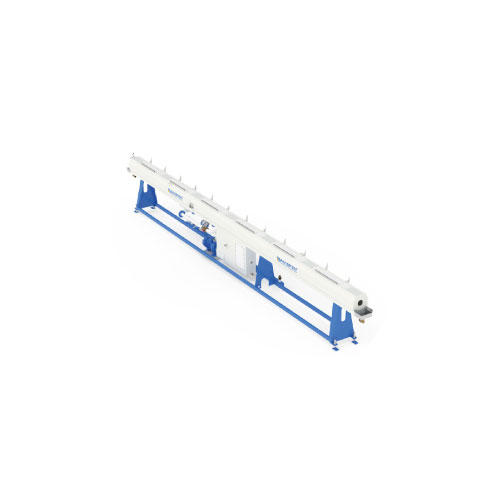
Vacuum takes the pipe from molten form to perfect dimension. Issues here cause ovality and diameter inconsistencies.
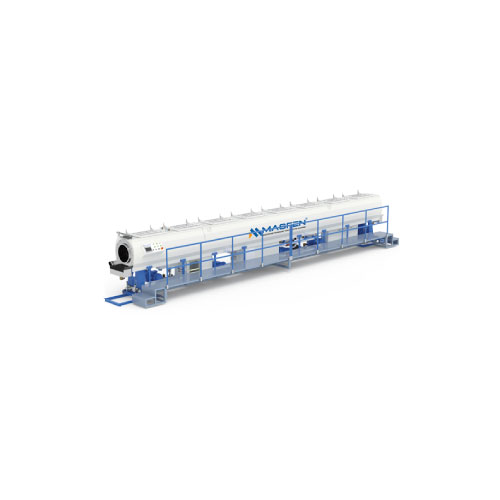
Fast or uneven cooling deforms microducts and creates wall thickness irregularities. Masfen’s long cooling tanks prevent thermal shock and stabilize the pipe structure.
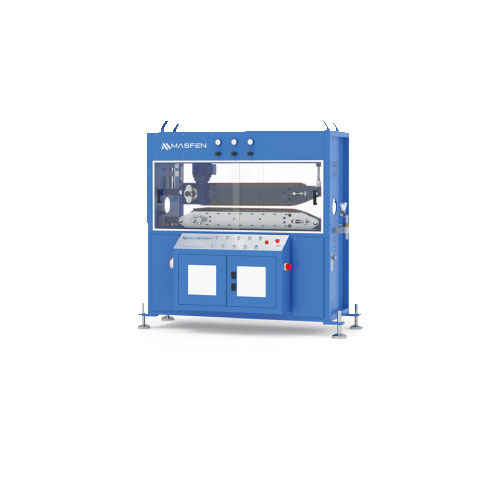
Stable and synchronized haul-off ensures that the pipe is neither stretched nor compressed, preserving correct geometry along its entire length.
In modern microduct production, manual adjustments are not enough. Telecom-grade microducts require automation that delivers repeatability with minimal operator intervention.
Key technologies include:
These technologies guarantee that the entire production run — not just a few samples — meets telecom specifications and minimizes scrap.
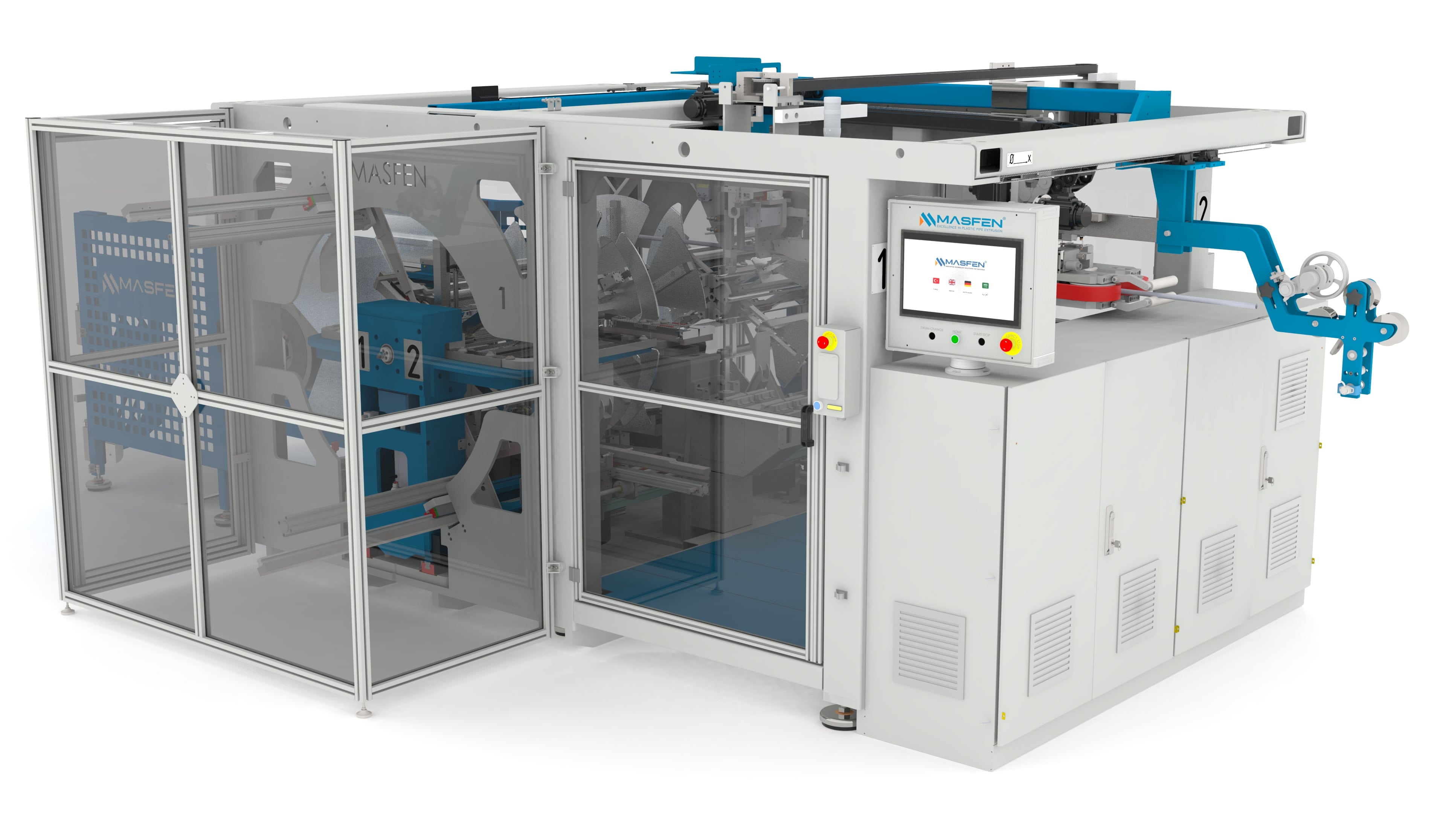
Masfen’s microduct production lines are engineered to solve the exact problems fiber network installers face. Every component is designed with high-precision extrusion performance in mind.
Masfen engineering advantages:
For manufacturers, this means reduced scrap, stable production quality and access to high-value telecom infrastructure markets. For installers, it means predictable performance, longer blowing distances and trouble-free cable deployment.
Achieving consistent diameter and wall thickness is essential for producing reliable microduct pipes that meet modern telecom installation demands. Precision manufacturing prevents field failures, increases blowing performance and strengthens customer confidence — all critical for long-term competitiveness in the telecommunications sector.
With Masfen’s advanced microduct extrusion solutions, manufacturers can deliver products that meet the highest industry standards and support the rapid global expansion of fiber networks.
Have a project in mind?
Reach out to our experts to explore how Masfen can support your investment in high-precision microduct production.
Reach Our Experts