How High-Precision Drip Irrigation Pipe Lines Improve Water Efficiency in Modern Agriculture
03 Ekim
03 Ekim 2025


A technical guide for drip pipe manufacturers and investors focused on operational efficiency, production scalability, and long-term cost optimization.
Drip irrigation has become a critical component of modern agriculture, driven by water scarcity, sustainability regulations, and the need for higher crop yields. As demand increases, drip pipe manufacturers face growing pressure to produce more—without compromising quality.
Automation has emerged as the defining factor that allows producers to reduce operational costs while increasing output. In drip irrigation pipe manufacturing, automation is not merely about speed; it is about process stability, precision, and repeatability.
Many drip pipe producers still rely on manual or partially automated production lines. While these systems may function at low volumes, they introduce significant inefficiencies as demand grows.
Common limitations include:
These inefficiencies directly increase production costs and limit scalability.
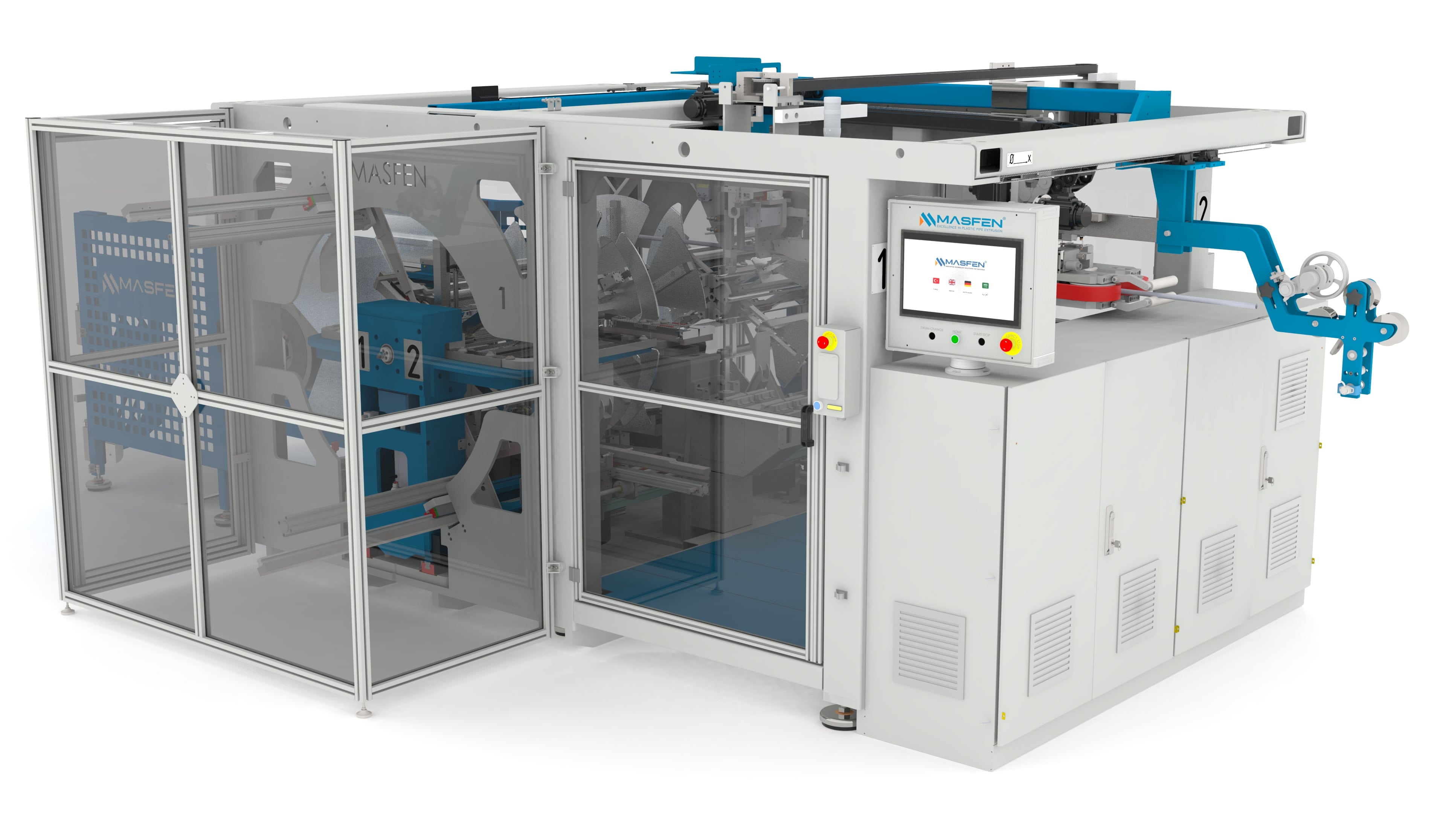
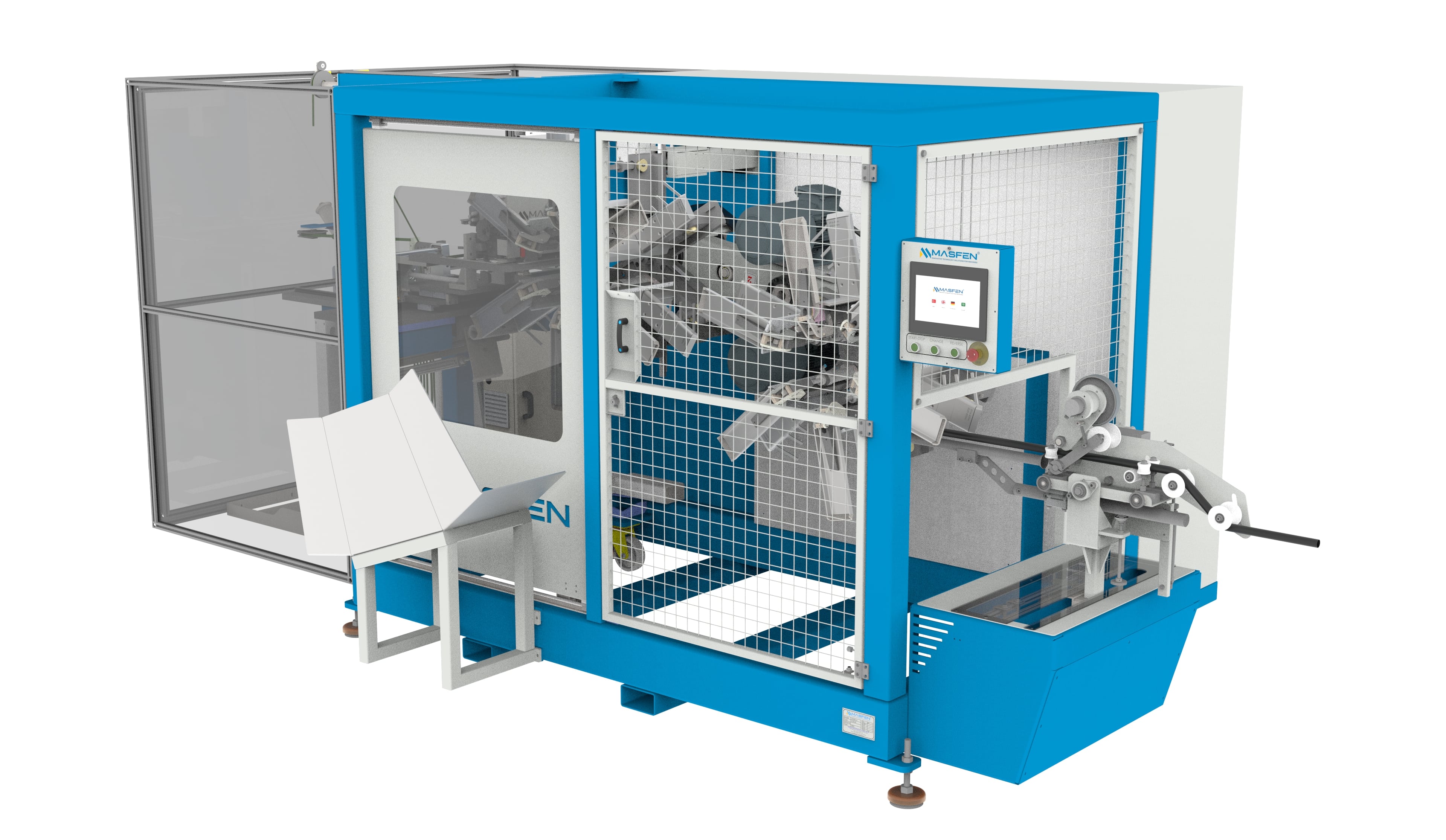
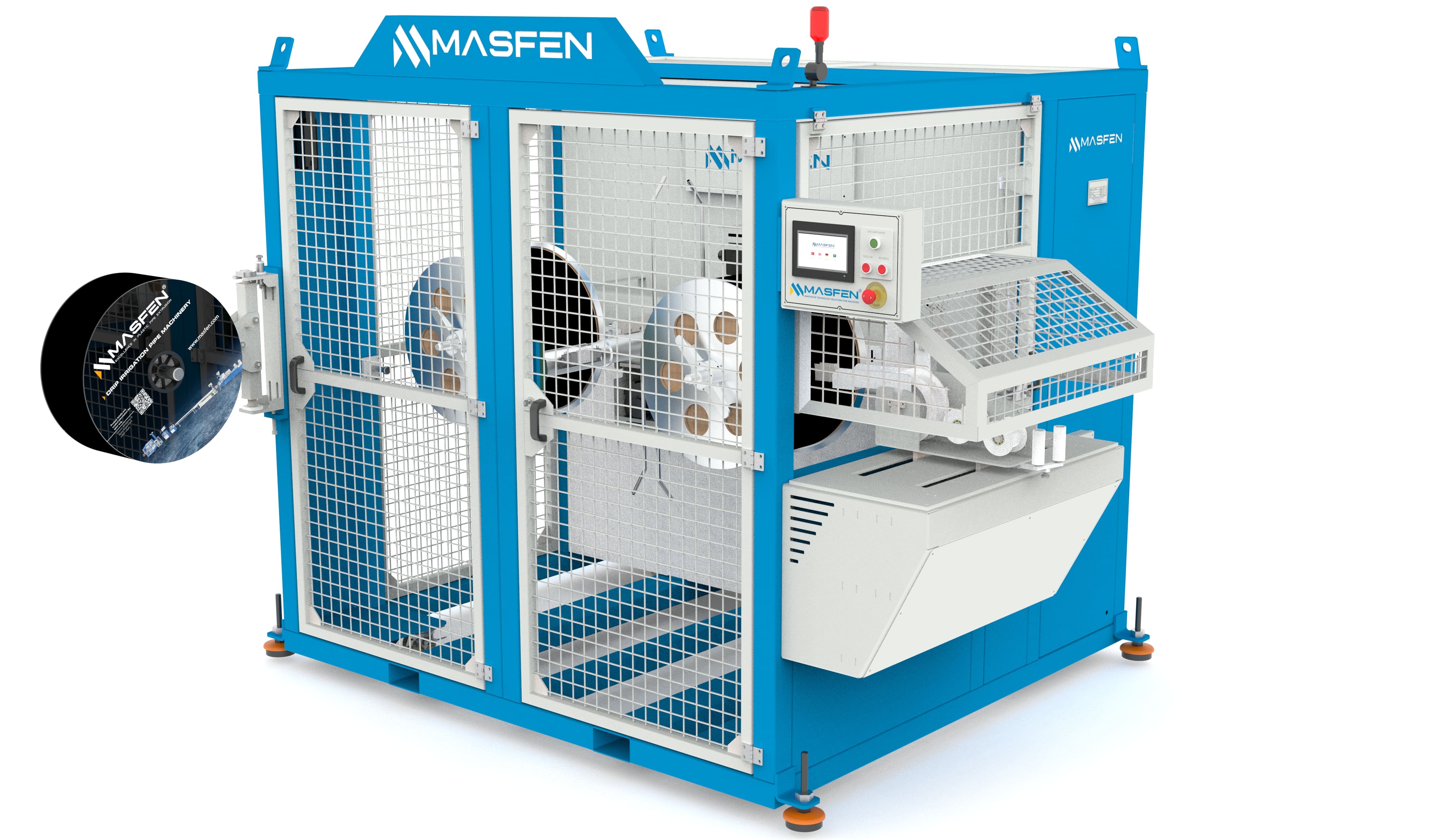
Modern automated drip irrigation pipe production lines integrate multiple systems to maintain continuous control over the process.
Key automation elements include:
Together, these systems ensure that every meter of pipe meets defined performance and quality criteria.
Automation reduces costs by eliminating inefficiencies that are difficult to control manually. Real-time monitoring allows immediate correction of deviations, minimizing scrap and material waste.
Additional cost benefits include:
For investors, these factors contribute to faster operational stabilization and improved cost predictability.
One of the most significant advantages of automation is the ability to increase production speed while maintaining precision. High-speed lines—reaching up to 300 meters per minute—are only viable when all processes are synchronized.
Automation ensures:
This balance between speed and quality is essential for producers aiming to scale without increasing risk.
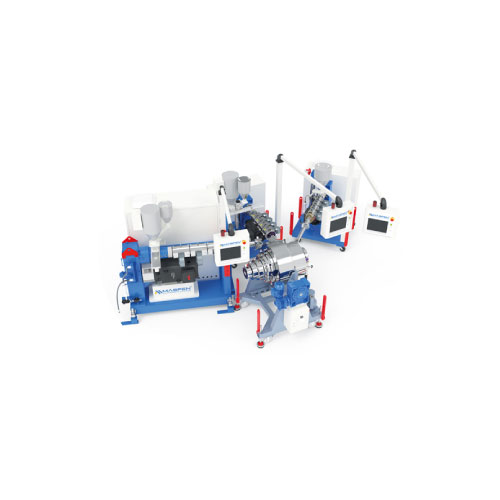
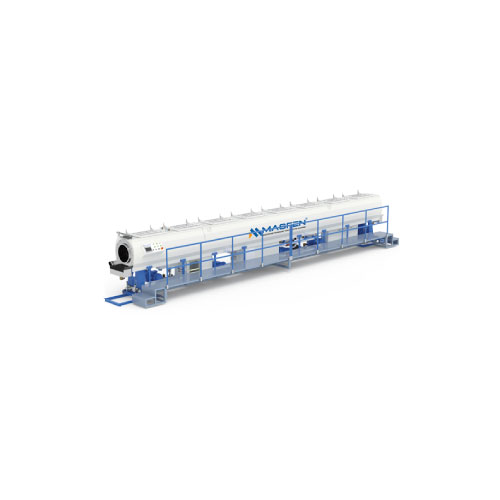
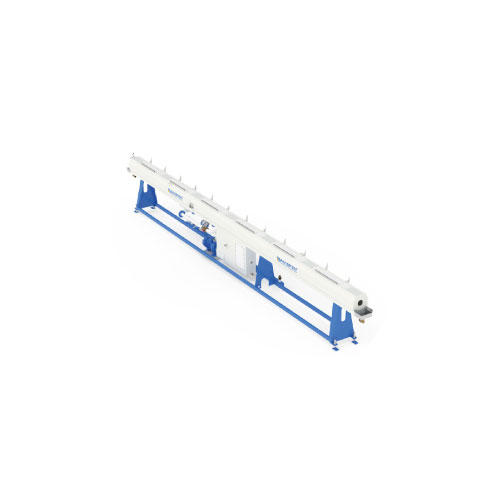
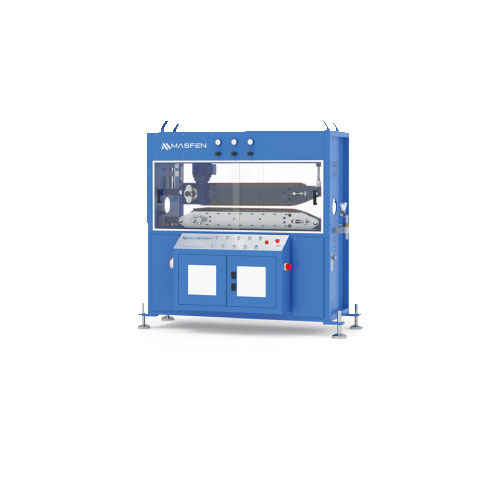
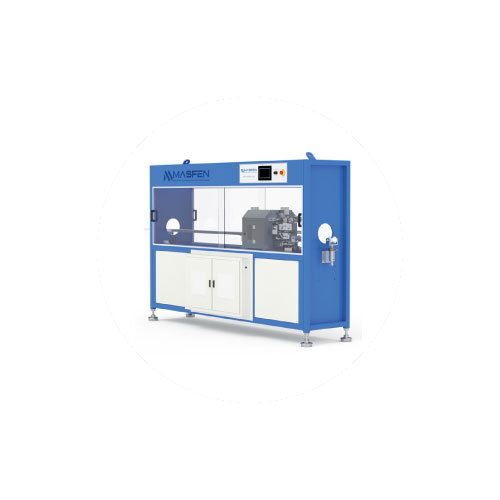
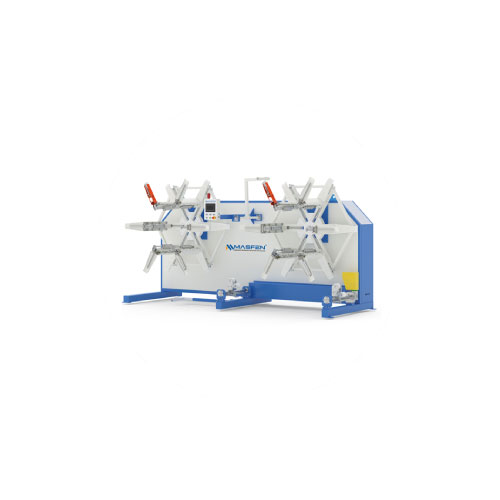
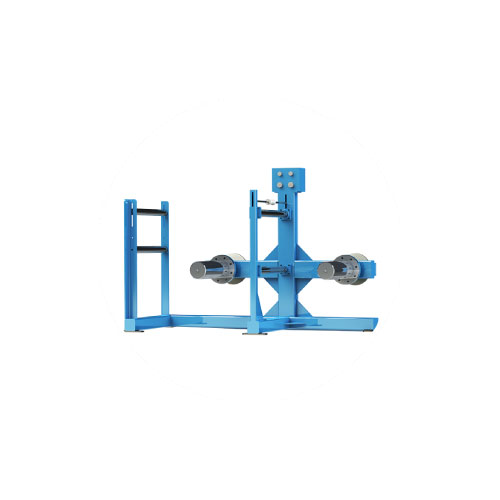
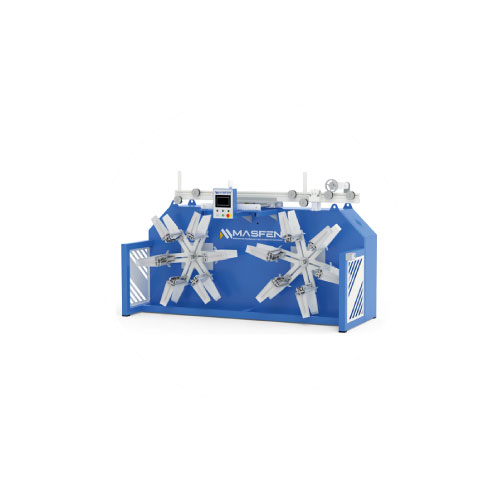
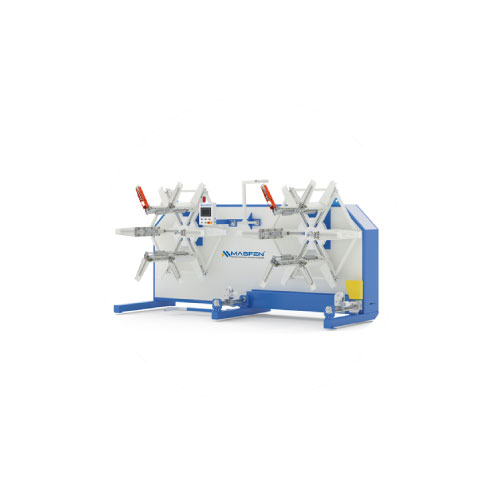
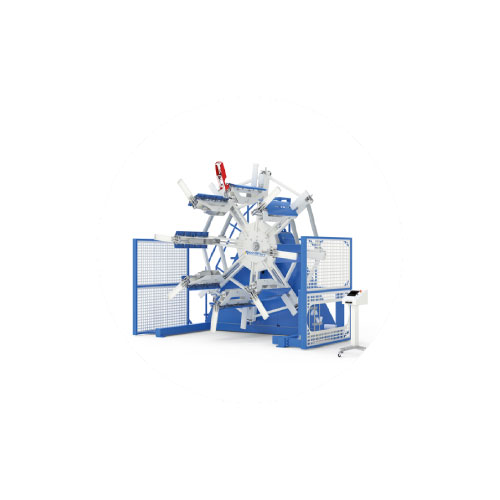
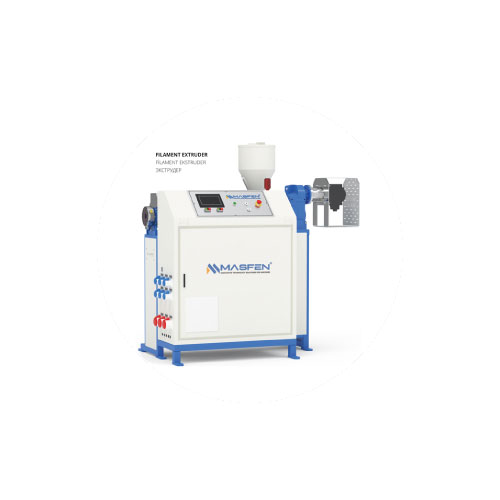
Masfen designs drip irrigation pipe production lines with automation embedded into every stage of the process. Each line is engineered to deliver stable performance across different materials and operating conditions.
Masfen’s automation philosophy includes:
This approach allows producers to reduce operational risk while maximizing output efficiency.
Automation in drip irrigation pipe manufacturing is not simply a productivity upgrade—it is a strategic investment that determines cost structure, quality consistency, and long-term competitiveness.
For manufacturers and investors, automated production lines offer a clear path to reducing costs, increasing output, and building reliable irrigation solutions for modern agriculture.
Have a project in mind?
Reach out to our experts to explore how Masfen’s automated drip irrigation pipe production lines can support your production strategy.
Reach Our Experts