How to Produce High-Performance PEX & PPR Pipes: Key Considerations for Manufacturers
15 Ekim
15 Ekim 2025

A strategic and technical overview for manufacturers and investors seeking consistent quality, efficiency, and scalability in heating and plumbing pipe production.
The heating and plumbing sector demands pipes that perform reliably under pressure, temperature variation, and long-term use. Applications such as hot and cold water systems, underfloor heating, and industrial plumbing leave no room for dimensional errors, weak bonding, or inconsistent material behavior.
As market expectations rise and competition intensifies, automation is no longer optional—it has become the foundation of modern heating and plumbing pipe manufacturing. For producers and investors, automated extrusion lines deliver repeatability, cost efficiency, and long-term production stability.
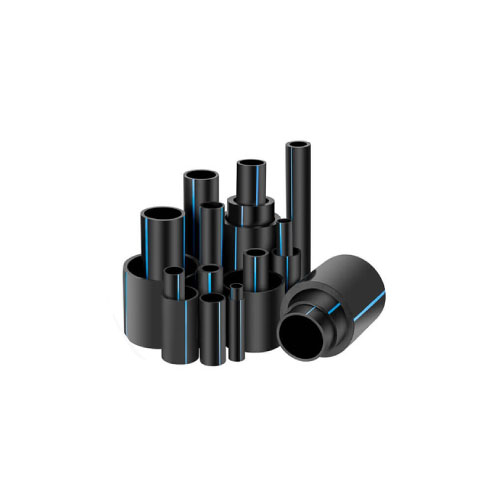
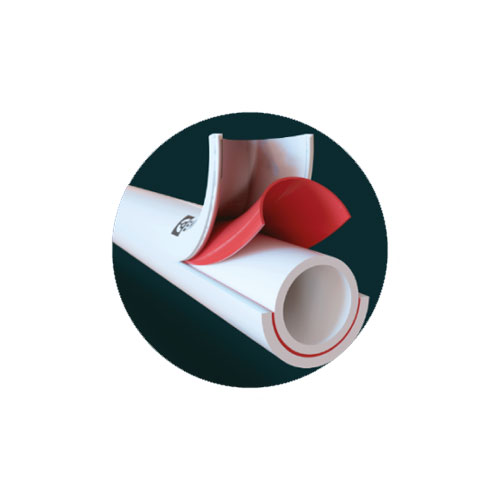
Heating and plumbing pipes—such as PPR, PPR-C, PEX, and PERT—must meet strict dimensional and mechanical standards. Even small deviations in wall thickness, ovality, or layer bonding can cause leaks, fitting failures, or reduced lifespan.
Automation ensures:
Automated systems eliminate variability and deliver the level of precision demanded by modern plumbing installations.
Manual or semi-automated pipe production lines struggle to meet today’s performance expectations. The most frequent problems include:
In the field, these production issues translate into:
Automation addresses these risks at their source—inside the production line.
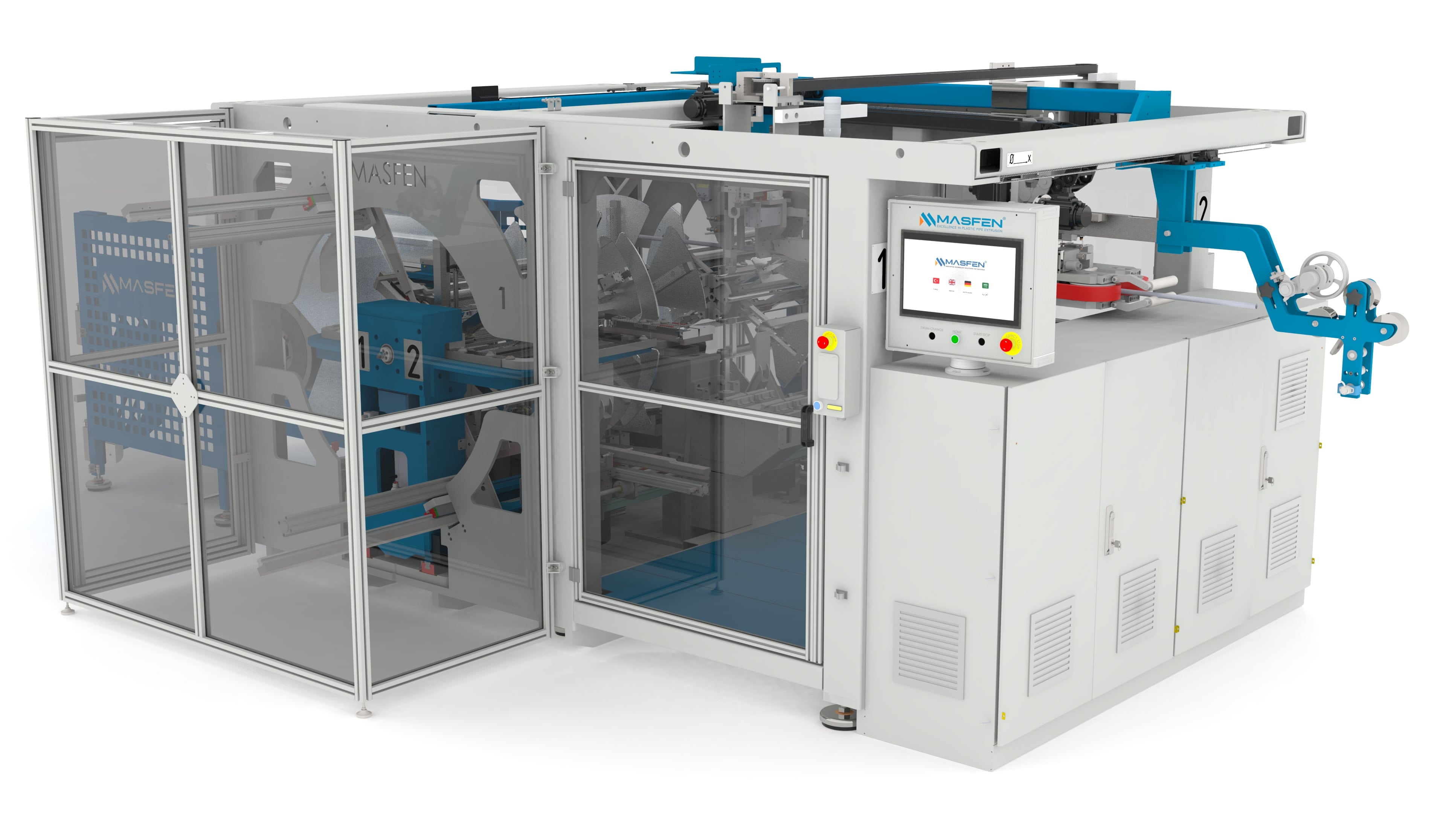
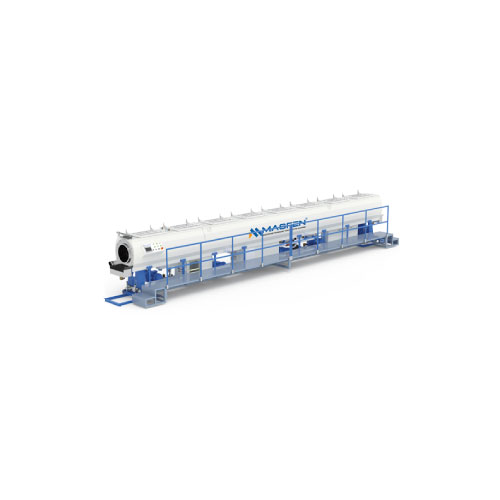
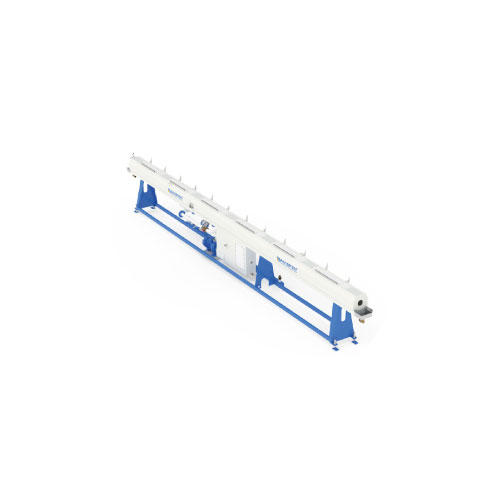
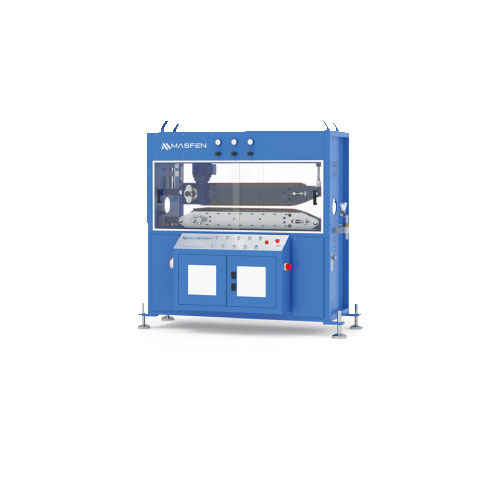
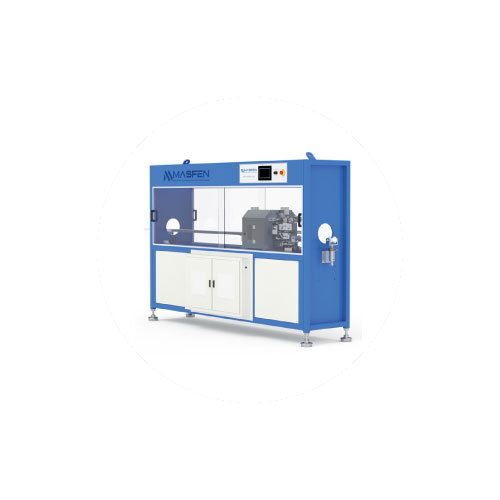
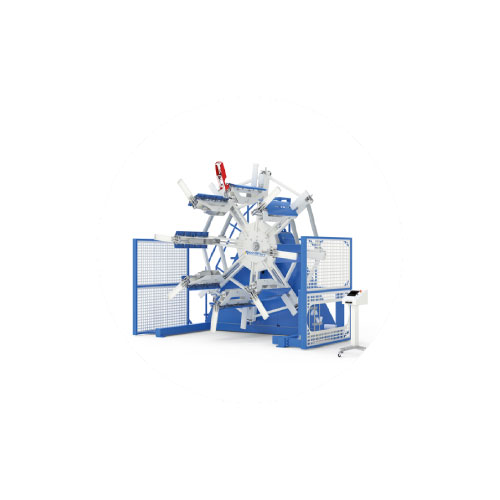
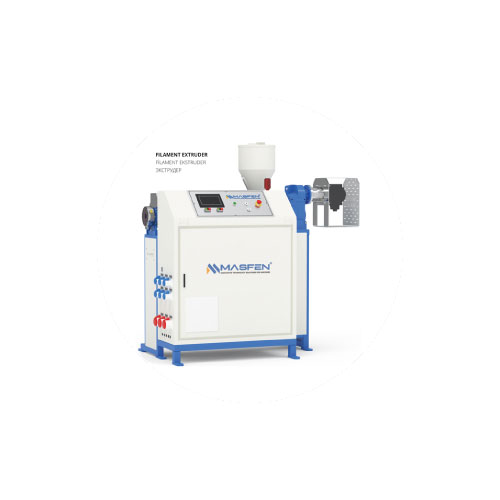
Modern automated extrusion lines integrate multiple precision-controlled processes to ensure stable output:
All parameters are monitored and adjusted in real time through centralized PLC systems, ensuring that every meter of pipe meets defined specifications.
Beyond quality, automation directly impacts operational efficiency. Automated lines reduce dependence on manual intervention, minimize human error, and enable continuous production with fewer interruptions.
For manufacturers and investors, this results in:
When combined with high uptime and optimized energy use, automated heating and plumbing pipe lines typically achieve return on investment within operationally realistic timeframes, depending on production volume and shift structure.
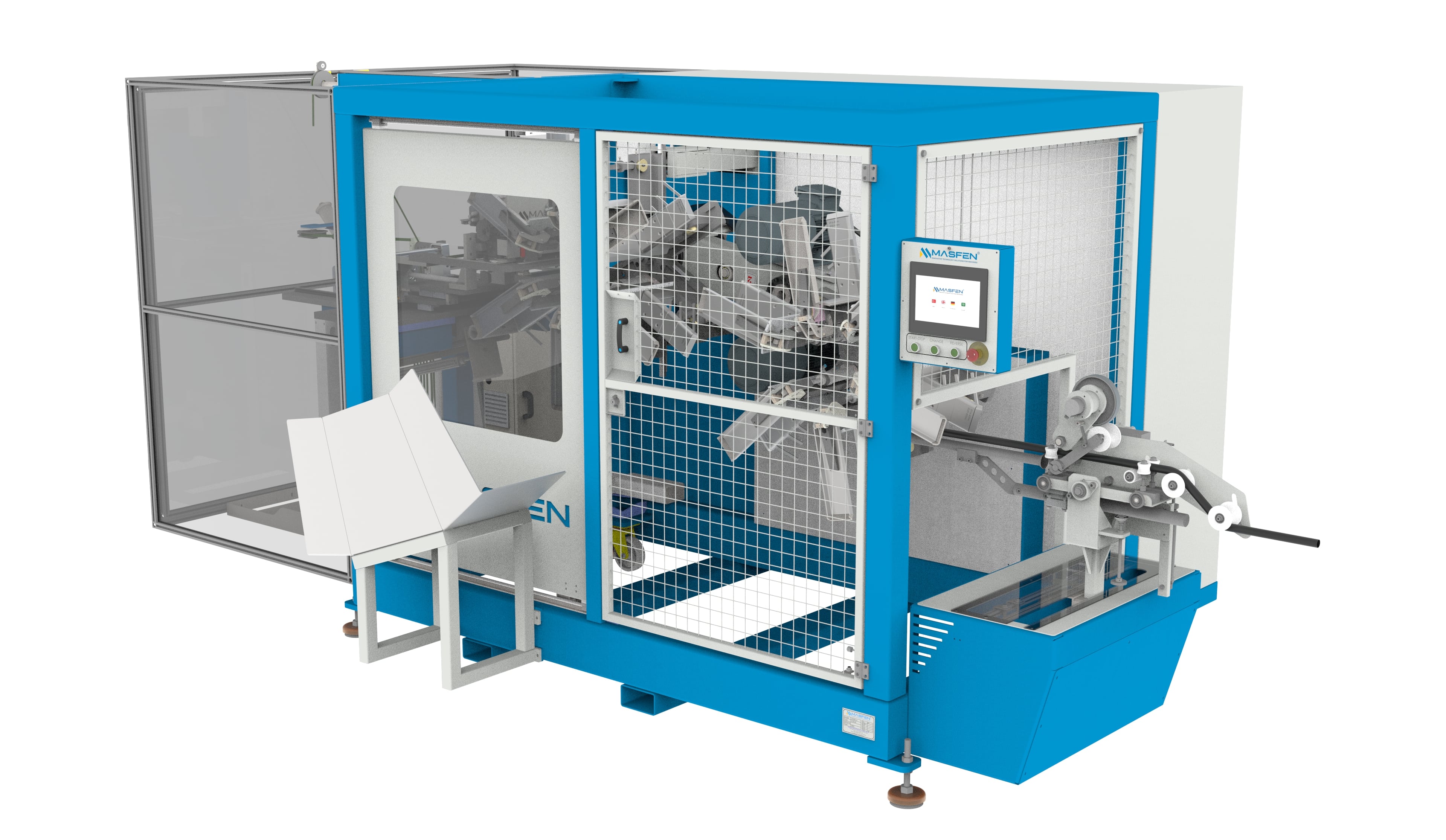
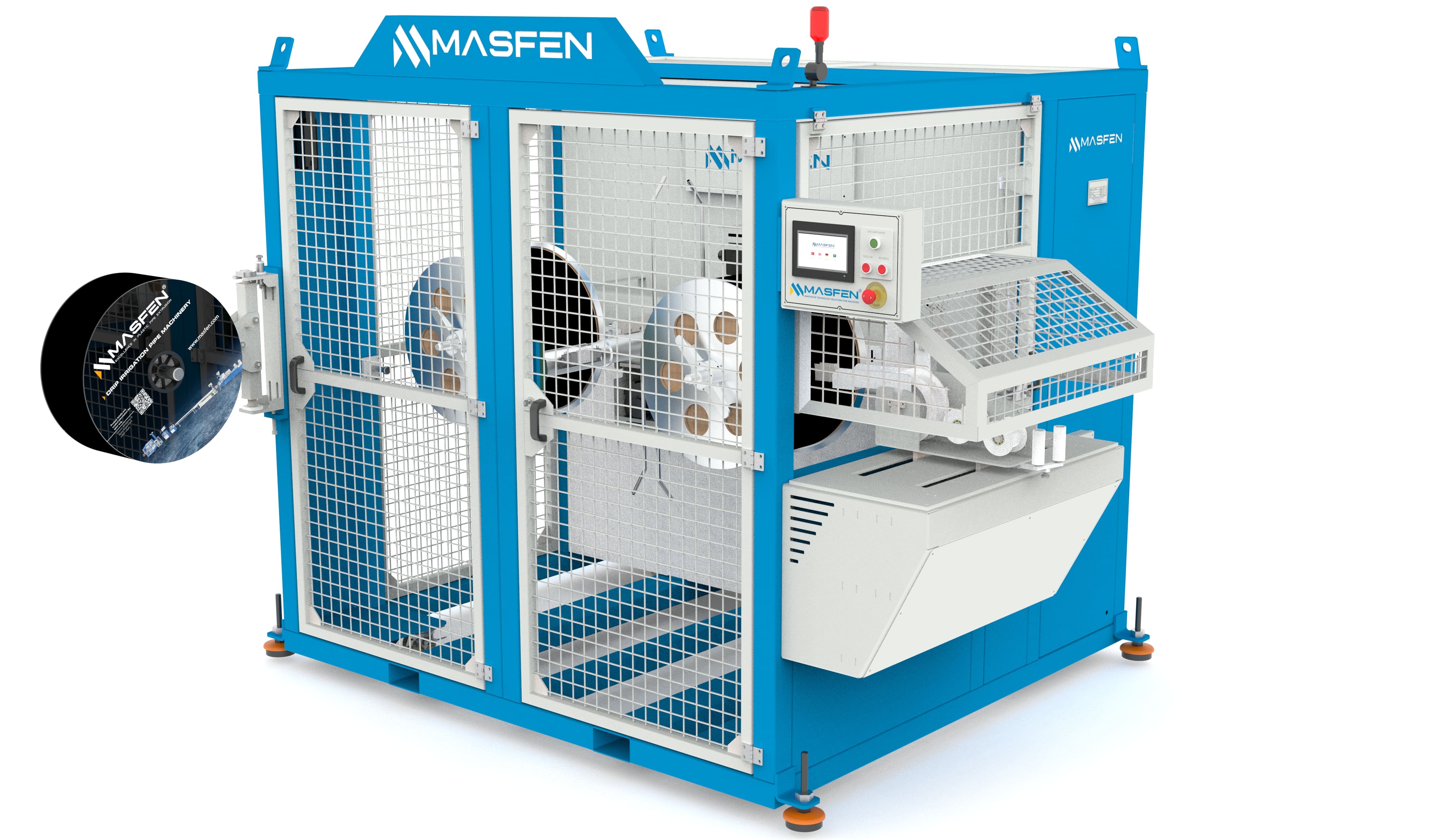
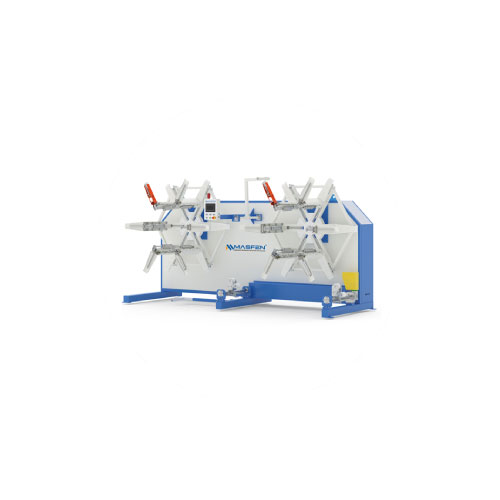
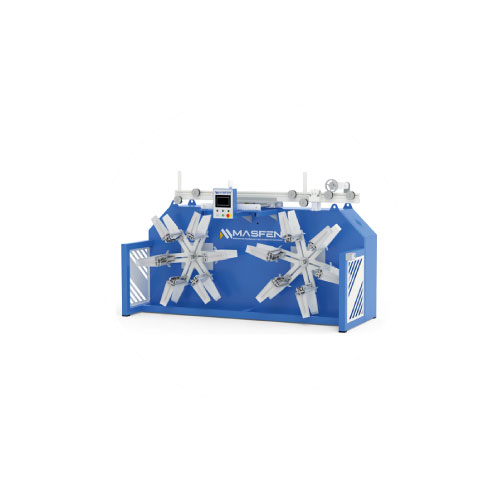
Masfen designs heating and plumbing pipe production lines with automation at their core. Each system is engineered to deliver precision, stability, and scalability from day one.
Masfen automation advantages include:
Additionally, Masfen performs customer-specific testing using actual raw materials, ensuring that each line is optimized before installation and commissioning.
Automation is no longer just a productivity tool—it is a strategic investment that defines product quality, operational stability, and market competitiveness in heating and plumbing pipe manufacturing.
By adopting advanced automated extrusion solutions, manufacturers can deliver consistent, high-performance pipes while protecting their investment against rising labor costs and tightening quality requirements.
Have a project in mind?
Reach out to our experts to explore how Masfen’s automated heating and plumbing pipe production lines can support your manufacturing goals.
Reach Our Experts