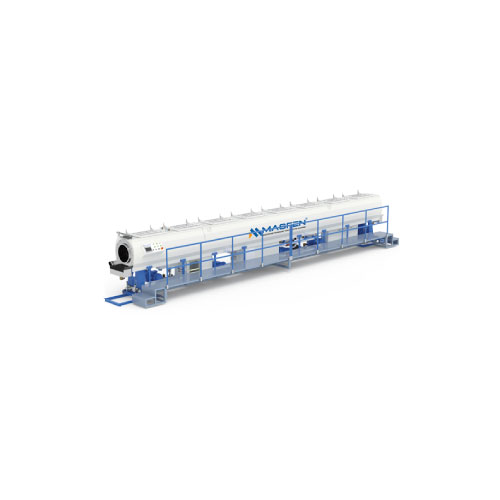
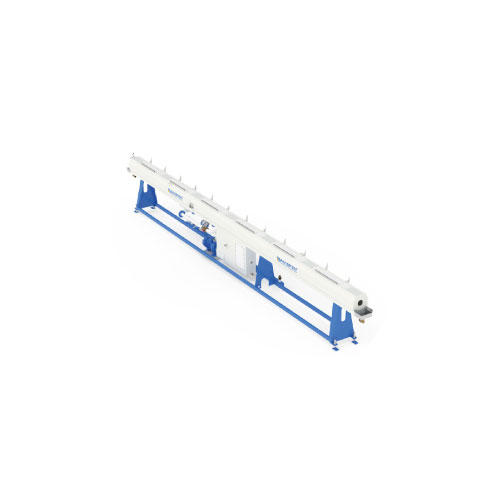
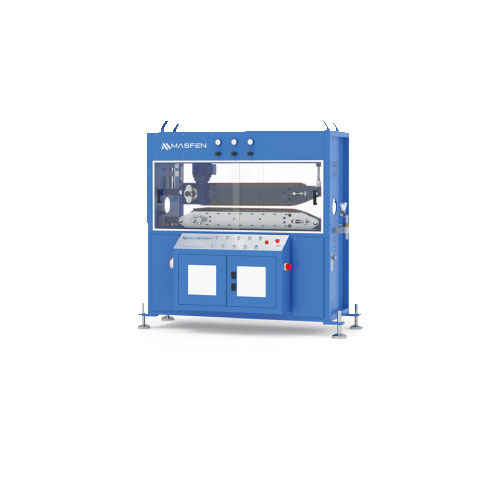
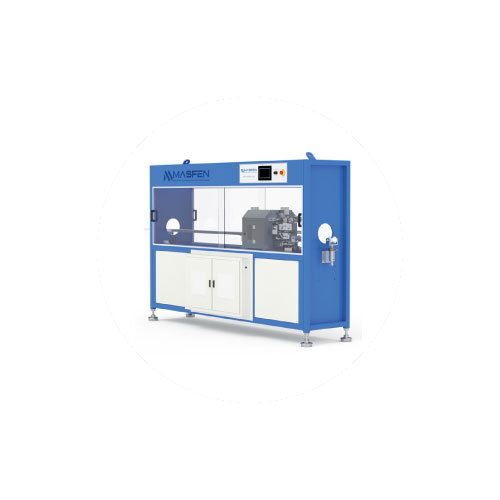
How Microduct Pipe Production Lines Support the Future of Fiber Networks
24 Ekim
24 Ekim 2025

A technical and strategic guide for manufacturers and investors in 3D filament production lines.
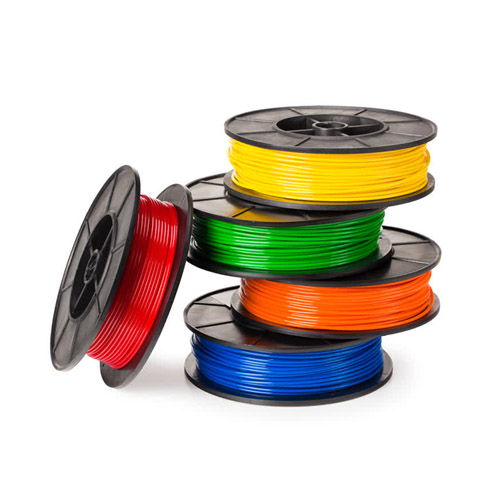
3D printing has evolved from a prototyping tool into a vital part of industrial manufacturing. Its success, however, depends on one critical element — the quality and consistency of the filament. Whether producing standard PLA or advanced composite materials, the extrusion process determines how the final product performs in precision, durability, and appearance.
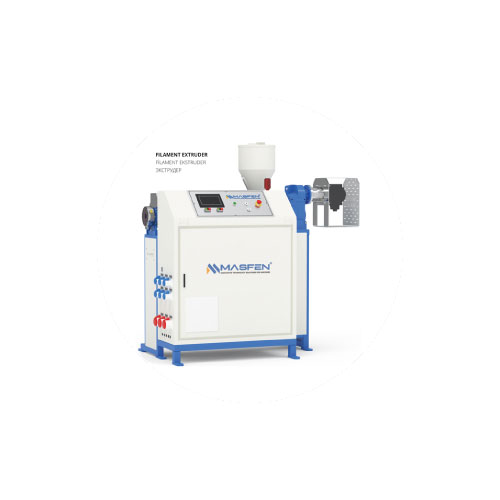
For manufacturers, investing in the right 3D filament extrusion line is not just about output; it’s about producing material that meets global standards and creates market differentiation. At Masfen, we bring over four decades of extrusion expertise to help producers master filament quality through engineering precision and process reliability.
Filament consistency directly affects printing precision and the mechanical integrity of printed parts. Variations in diameter or moisture content can lead to nozzle clogging, weak layers, or uneven surface finishes. High-quality extrusion technology minimizes these issues by maintaining uniform material flow, stable temperature profiles, and precise cooling conditions throughout production.
By mastering these variables, manufacturers ensure smoother printing performance, fewer rejects, and a better end-user experience — key differentiators in an increasingly competitive market.
The extrusion of 3D printing filament involves several tightly integrated stages:
Each stage requires precise synchronization. A single deviation — even in cooling temperature — can compromise the entire production batch.
Whether using PLA, ABS, PETG, or flexible TPU, consistent material preparation is essential. The extrusion line must deliver a homogeneous melt to prevent variations in filament density or color. Advanced screw designs, temperature zoning, and controlled feeding systems all contribute to achieving this uniformity.
Masfen’s lines are engineered to handle multiple polymer types with quick material changeovers, enabling manufacturers to diversify product offerings without sacrificing quality or downtime.
Diameter accuracy is one of the most critical metrics in filament production. Even a deviation of 0.05 mm can cause printer feeding errors or inconsistent extrusion rates. Masfen integrates real-time laser diameter gauges that automatically adjust line speed and pulling tension to maintain perfect tolerance control.
Equally important is the cooling system. Uniform cooling ensures roundness and surface finish consistency. By maintaining thermal stability across the filament cross-section, Masfen systems guarantee reproducible performance from the first coil to the last.
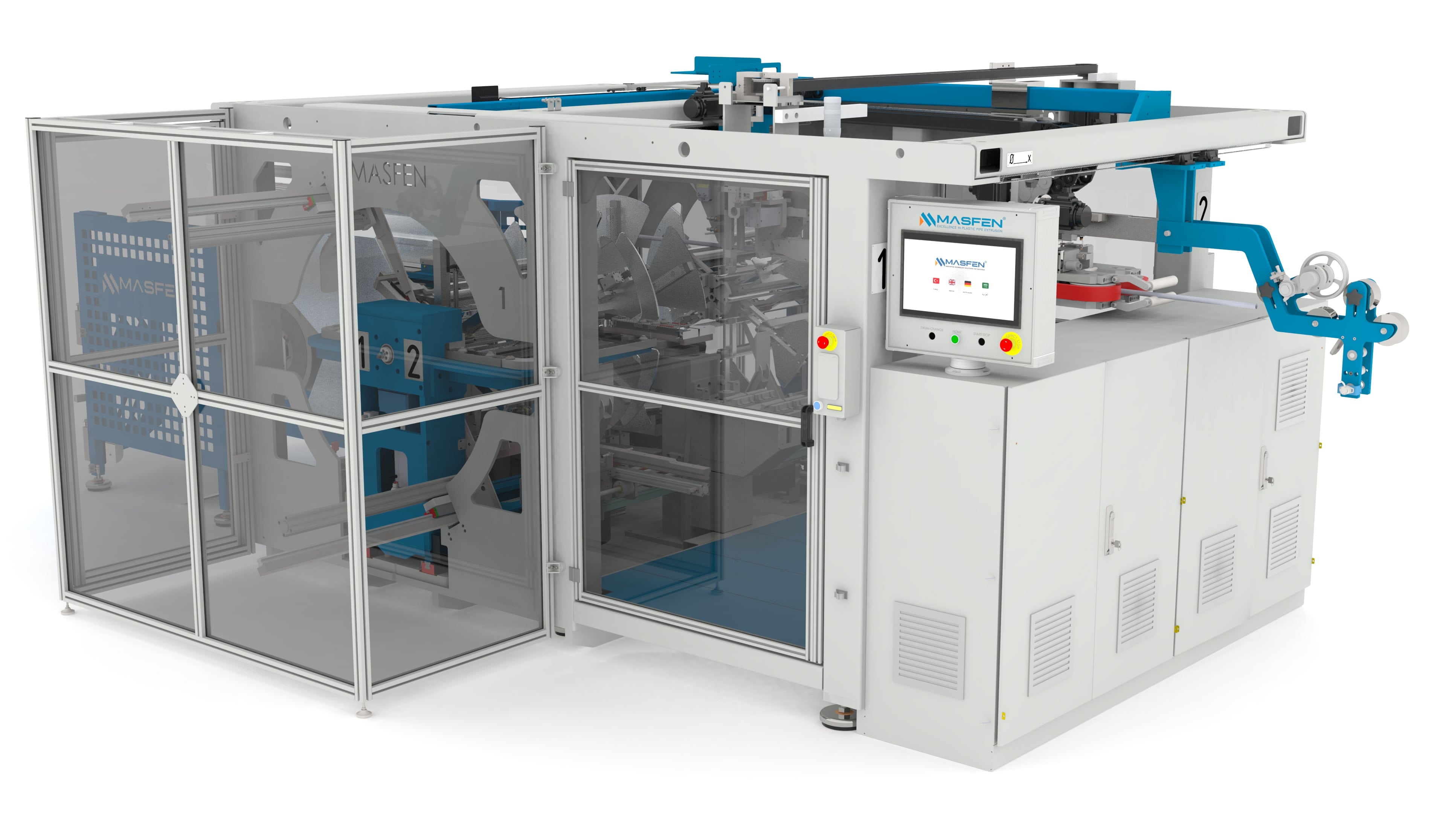
Modern 3D filament extrusion lines rely heavily on automation for precision and repeatability. PLC-based control panels centralize all process parameters, while smart sensors continuously monitor critical variables like temperature, pressure, and line speed.
Masfen’s integrated control systems allow remote diagnostics and data tracking, empowering operators to analyze trends, identify inefficiencies, and maintain product consistency at scale. This digital connectivity transforms production lines into intelligent manufacturing systems.
Producing reliable, high-quality filament opens new market opportunities and enhances brand reputation. Consistency reduces returns, lowers waste, and enables premium pricing — all of which improve long-term profitability. Furthermore, advanced extrusion lines minimize operator dependency, reducing training costs and human error.
For manufacturers entering or scaling in the 3D printing market, investing in top-tier extrusion technology is not only a technical choice but a strategic business move that establishes market leadership.
Masfen brings decades of polymer extrusion experience into the field of 3D filament manufacturing. Our solutions are designed for flexibility, enabling smooth transitions between material types, diameters, and production speeds. Every component is engineered for precision, energy efficiency, and long-term stability.
But beyond technology, Masfen stands out for its partnership approach. We work closely with clients from design to commissioning, ensuring each line reflects specific production goals and market requirements.
In 3D printing, filament quality defines product success. By combining advanced extrusion technology with intelligent automation and process discipline, manufacturers can achieve a new level of precision and reliability. Masfen’s production lines embody this principle — transforming raw polymer into consistent, high-performance filament ready for the future of additive manufacturing.
Have a project in mind?
Reach out to our experts to discover how Masfen’s advanced extrusion solutions can help you produce consistent, high-performance 3D printing filaments.
Reach Our Experts